🎉 Our Chrome Extension is here! Get live market prices right in your browser.Install Now
Baker Hughes projects the Strait of Hormuz won't fully reopen until H2 2026, extending geopolitical tensions and impacting global energy supply amidst US-Iran blockades.
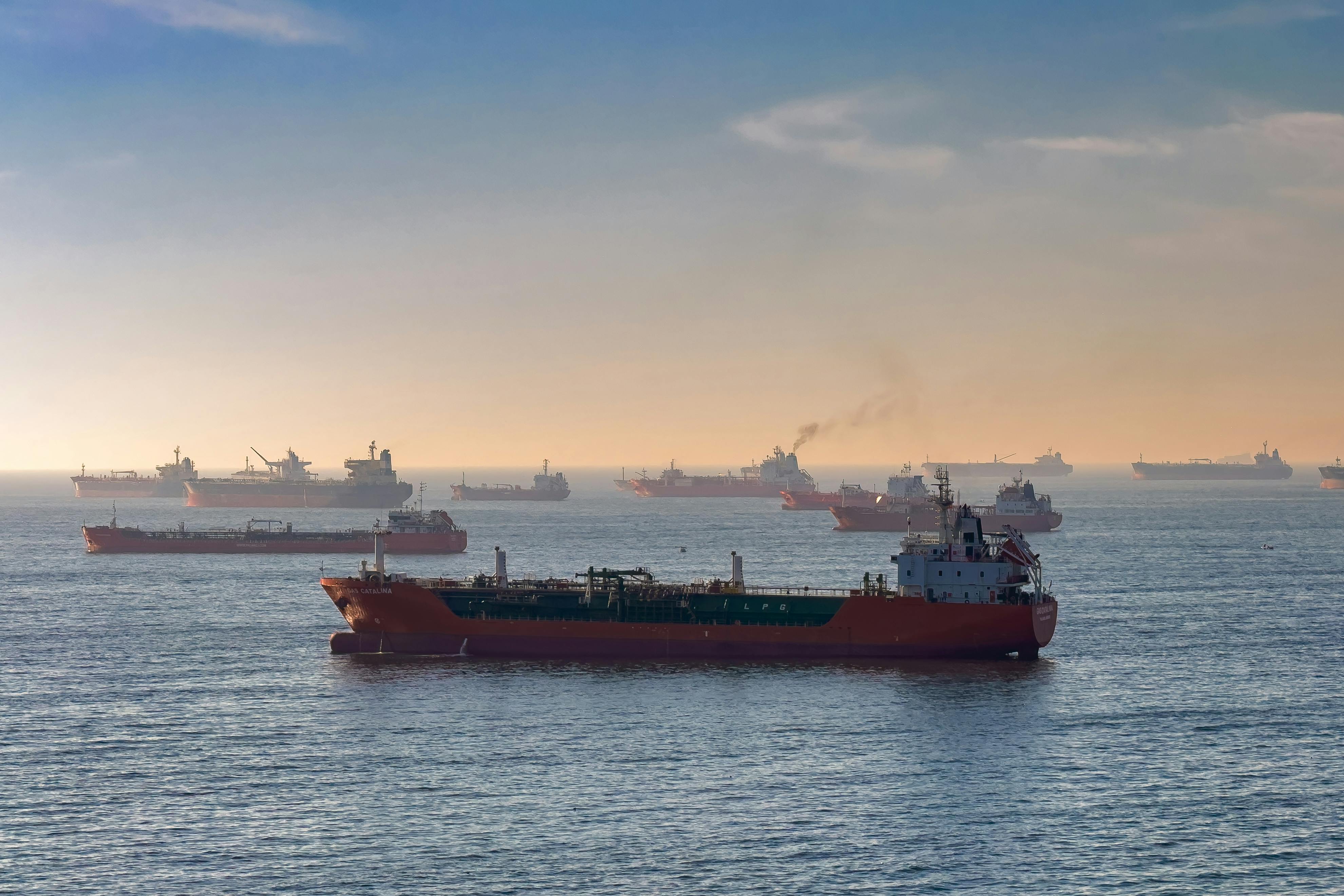
Energy services giant Baker Hughes announced Friday that the critical Strait of Hormuz is unlikely to see a full reopening until the second half of 2026. This prolonged closure reflects ongoing geopolitical friction, with tanker traffic severely hampered by competing U.S. and Iranian blockades despite a fragile ceasefire agreement.
The announcement, reportedly stemming from Baker Hughes' recent Q1 2026 earnings call, underscores the persistent geopolitical complexities in the region. Tanker movements through the vital waterway have remained exceptionally low as the U.S. and Iran continue to enforce rival blockades. This situation persists despite a delicate ceasefire, highlighting the deep-seated mistrust and strategic competition that prevents a swift resolution. Market sentiment has already reflected these tensions, with crude oil prices recently rallying amidst stalled US-Iran talks, indicating that a full reopening is not viewed as a simple 'flipping a switch' event.
Given the lack of specific numeric thresholds, traders should focus on qualitative signals shaping the Hormuz situation.
The prolonged uncertainty surrounding the Strait of Hormuz represents a significant overhang for global energy markets. While some analysts describe the blockade as more of a 'sieve' than a complete 'chokehold,' the persistent disruption elevates crude oil prices, contributing to higher shipping costs and potentially fueling broader inflationary pressures. The situation highlights the fragility of global supply chains and the geopolitical premium embedded in energy assets. This sentiment echoes previous periods of heightened tension, such as when crude oil prices surged following attacks on commercial ships, as detailed in our article .
For traders, the protracted Hormuz situation implies continued volatility and a geopolitical risk premium across energy commodities, particularly WTI and Brent crude. Long positions in energy futures may see sustained support, while industries reliant on steady, cost-effective oil shipments could face headwinds. Monitoring geopolitical developments in real time is paramount. Traders tracking live crude oil prices and related derivatives can leverage platforms like RealMarketAPI for instant data streams, crucial for reacting swiftly to new information. The broader implications of geopolitical risks on global markets are also explored in analyses of events like the US Soldier Charged Over $400K Polymarket Bet on Maduro Capture, underscoring the interconnectedness of political events and financial outcomes.